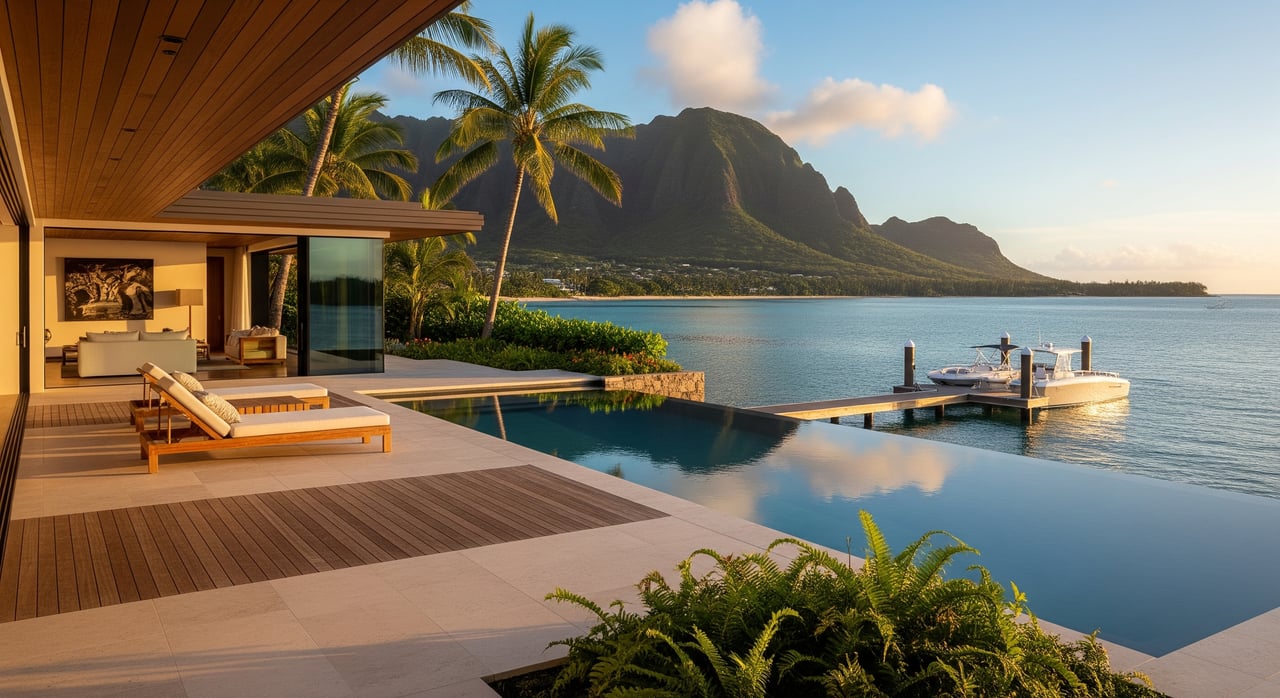
Torn between Kaneohe and Kailua on Oahu’s Windward side? You’re not alone. Both towns offer stunning scenery and an easygoing pace, yet the day-to-day experience can feel very different. In this guide, you’ll get a clear, practical comparison of commutes, outdoor access, housing, and relocation logistics so you can choose with confidence. Let’s dive in.
Quick vibe check
Kailua leans into a classic beach-town identity. Kailua Town’s walkable core, cafés, and boutiques flow into Kailua Beach Park and nearby Lanikai, which draws steady beach visitors. If you imagine daily swims, paddle sessions, and grabbing coffee on foot, Kailua puts that lifestyle front and center.
Kaneohe feels more residential and bay oriented. Kāneʻohe Bay is the defining feature, with sheltered waters for kayaking and boating, plus lush valleys and the Ho‘omaluhia Botanical Garden. You’ll find fewer tourist crowds and a calm neighborhood rhythm focused on everyday living.
In short: Kailua emphasizes open sandy beaches and a lively town center. Kaneohe offers bay access, green valleys, and broader housing variety in a quieter setting.
Commute routes that shape your day
Your workplace location often determines which town works better. Travel times vary with weather and incidents, so test your route during rush hours before you commit.
H-3 to the H-1 corridor
H-3 connects the Windward side to the H-1 corridor near Hālawa and central Pearl Harbor. It is a high-capacity route with tunnels and viaducts through the Koʻolau range. For destinations toward the west side or around Pearl, H-3 from the Kaneohe area often provides the most direct access.
Pali Highway to downtown
The Pali is the historic route between downtown Honolulu and Kailua. It is scenic and direct, with steep sections and variable conditions. Rush-hour slowdowns and weather-related visibility can add unpredictability, so allow a buffer if your office is downtown or in nearby neighborhoods.
Likelike as an alternative
Likelike links Honolulu through Kalihi to both Kailua and Kaneohe. It is a common alternative when the Pali is congested. It also sees heavy use, so expect peak-hour bottlenecks and plan ahead.
Practical commute tips
- Match your town to your destination. Downtown or Waikiki access may favor Kailua via Pali or Likelike. West Oahu or H-1 corridor access may favor Kaneohe via H-3.
- Reliability matters more than distance. Drive your intended route for 3 to 5 weekdays at commute times to see real patterns.
- Have backups. TheBus serves both towns, and many residents car-pool or adjust work hours to avoid peak congestion. Mountain highways can slow or close after accidents or heavy rain, so monitor traffic alerts and use real-time navigation.
Outdoor lifestyle and everyday rhythm
Beaches and bay access
- Kailua: Kailua Beach Park and nearby Lanikai rank among Oahu’s best sandy swimming and paddle spots. Expect excellent SUP and wind-driven sports when conditions line up. Parking can be tight on weekends, and the area is lively.
- Kaneohe: Kāneʻohe Bay is a large, protected lagoon ideal for kayaking and sheltered-water activities. Paddles to spots like Mokoliʻi island are popular. Be mindful of bay navigation rules and conservation zones.
Hiking and green spaces
- Kailua area: Trails like Lanikai Pillbox and inland routes around Maunawili offer views and waterfall access. Popular trails can be busy on weekends.
- Kaneohe area: Ho‘omaluhia Botanical Garden and the interior Koʻolau slopes provide forested hikes and quieter ridgeline access.
Amenities and daily conveniences
- Kailua: A concentrated mix of restaurants, specialty shops, yoga studios, and weekend farmers’ markets. Everyday needs and healthcare are clustered in town.
- Kaneohe: Neighborhood retail corridors and the Windward Mall area serve daily errands, groceries, and services with an easy local pace.
Weather and environment
The Windward side is lush for a reason. Plan for more rainfall than leeward Honolulu, which can raise maintenance needs for roofs, paint, and metal. Low-lying coastal areas in both towns should be evaluated for flood risk, salt exposure, and county shoreline rules.
Housing and budget realities
Housing types and feel
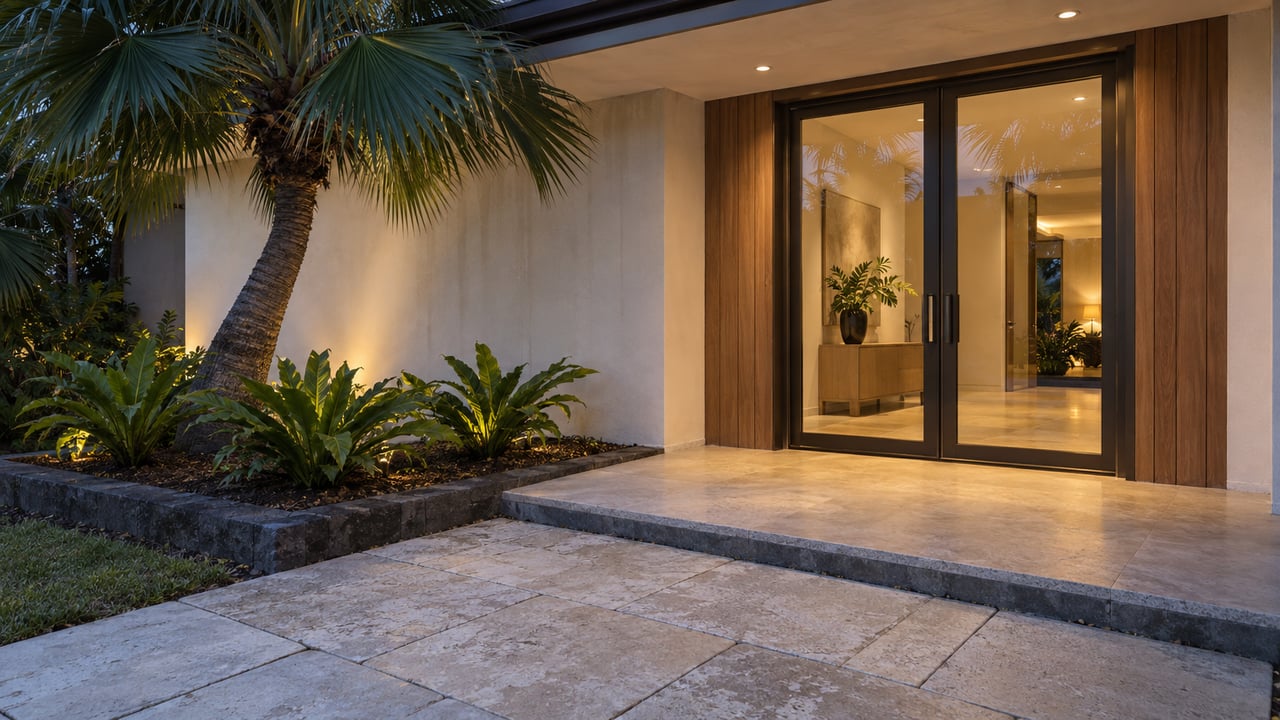
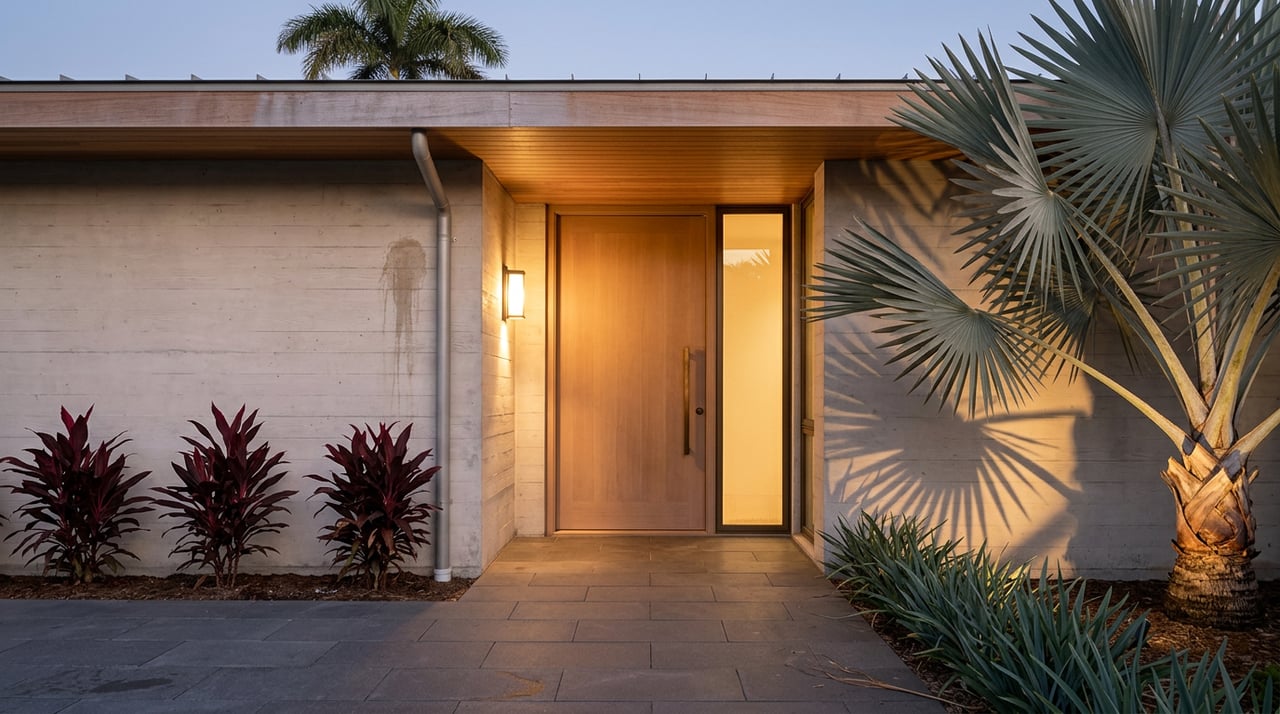
- Kailua: Older plantation and post-war homes, renovated bungalows, limited condos, and higher-value properties near Kailua and Lanikai beaches. Newer infill and modern builds appear in select pockets.
- Kaneohe: Wider variety that often includes larger lots, older and newer subdivisions, townhomes and condos near retail hubs, and bay-adjacent neighborhoods.
Price patterns and competition
Kailua typically commands a price premium compared to Kaneohe. Proximity to Kailua Beach or Lanikai, strong walkability, and turnkey renovations often draw multiple offers. Kaneohe can offer more interior square footage or yard space at a given budget, though top locations still move quickly.
Ongoing costs and insurance
Budget for flood or wind coverage where applicable, especially in coastal or low-lying zones. Wind-driven rain, salt air, and humidity can accelerate exterior wear and corrosion. Honolulu County property tax rates are relatively low compared to many U.S. areas, but verify your assessment and any owner-occupancy exemptions.
Financing and inspection focus
Local lenders may factor insurance availability and older-home repairs into underwriting. On Windward properties, expect close attention to roofing, termite history, gutters, drainage, and moisture or mold remediation. If you are relocating from the mainland, plan for higher prices per square foot and get local guidance on debt-to-income expectations.
Which town fits your priorities
Use this quick guide to match daily life with your goals:
- You want to walk to cafés and boutiques, then hit a world-class sandy beach. Consider Kailua.
- You want quieter streets, varied housing choices, and bay access for kayaking or boating. Consider Kaneohe.
- Your commute targets downtown or Nuuanu. Kailua’s Pali or Likelike may feel more direct.
- Your commute targets H-1, Pearl Harbor, or west Oahu. Kaneohe’s H-3 access often helps.
- You have a set budget and want more yard or interior space. Kaneohe may stretch dollars further.
- You prioritize beach-town ambiance and strong resale demand near shorelines. Kailua often shines.
Relocation checklist for Windward buyers
- Test commutes. Drive H-3, Pali, and Likelike during your actual rush-hour windows.
- Verify school assignments. Check Hawaii DOE zoning and review school profiles directly with campuses.
- Check flood and slope risk. Review FEMA flood maps, county flood and tsunami evacuation maps, and request geotechnical info for steep areas as needed.
- Confirm insurance and utilities. Get quotes for homeowner and flood where applicable. Plan for humidity, salt exposure, and pest control in your ongoing maintenance.
- Review permits and disclosures. Confirm that additions and renovations were permitted, which can affect insurance and resale.
- Plan lifestyle logistics. In Kailua, confirm parking and beach access patterns. In Kaneohe, look into bay rules, ramp access, and storage for watercraft.
- Map services. Note proximity to healthcare, grocery options, and everyday retail like Windward Mall in Kaneohe and Kailua’s in-town cluster.
Make your move with local guidance
Both towns deliver a beautiful Windward lifestyle. The right choice comes down to your commute, daily habits, and the way you want to spend your free time. When you are ready to compare neighborhoods, evaluate flood and maintenance considerations, and align a purchase with real market dynamics, connect with a trusted local advisor. Reach out to Tania Mahoni for concierge-level guidance from first showing to closing.
FAQs
Which town has the shorter commute to downtown Honolulu?
- It depends on your exact address and route; Kailua has more direct access to downtown via the Pali or Likelike, while Kaneohe’s H-3 can be better for H-1 corridor destinations.
Is Kailua always more expensive than Kaneohe?
- Historically Kailua carries a price premium, especially for homes near Kailua Beach or Lanikai and for properties with strong walkability and turnkey finishes.
How do outdoor activities differ between Kailua and Kaneohe?
- Kailua emphasizes sandy-beach swimming and paddle sports, while Kaneohe focuses on sheltered bay activities like kayaking and boating plus lush valley trails.
Should I worry about flood zones in either town?
- Always check FEMA and county maps for the specific property; low-lying coastal areas in both towns can require flood insurance or special precautions.
What housing types are common in each town?
- Kailua offers older plantation homes, renovated bungalows, and limited condos near beaches; Kaneohe has a wider mix including larger lots, townhomes, and condos near retail hubs.
What are smart steps before making an offer on the Windward side?
- Test commute routes, confirm school zoning, review permits, get insurance quotes, and evaluate maintenance factors like roofing, drainage, termites, and moisture.