Thinking about trading your vacation mindset for everyday life in Haleiwa? You are not alone. Many people fall in love with the North Shore’s surf-town charm, then wonder what it is like to actually live here year round. In this guide, you will get a clear picture of daily rhythms, housing, costs, commute times, and key rules that matter before you buy. Let’s dive in.
Haleiwa daily rhythm
Haleiwa is the small-town hub of Oʻahu’s North Shore. You will find a walkable core with surf shops, cafés, shave-ice stands, and galleries clustered along Kamehameha Highway and the historic Store Lots.
Seasonality shapes local life. Winter brings bigger surf, international competitions, and heavier visitor traffic. Summer is calmer, with a steadier flow of beachgoers. For context on visitor seasonality and trends, review the Hawaiʻi Tourism Authority’s statewide data and insights on travel patterns, which influence North Shore activity levels throughout the year.
Expect a friendly, laid-back vibe with strong local ties. The community mixes long-time residents, working families, second-home owners, and visitors. Daily conveniences exist in town, but you will drive for bigger shopping trips and specialty services elsewhere on Oʻahu.
Daily life and routines
Most residents rely on cars for work and errands. Early mornings are popular for surfing, paddling, and walking the beach. Weekdays can feel relaxed outside peak seasons, while weekends and big-surf days draw heavier crowds.
Work is a mix. Some people run or staff local small businesses. Others commute to Central Oʻahu and Honolulu, or work remotely. If you work from home, confirm broadband options and speeds at the specific address before you buy, since choices can be more limited in rural pockets.
Local services and errands
You will find small grocery and specialty food shops, cafés, and local markets in town. For full-service supermarkets and big-box stores, many residents head to nearby communities like Mililani or central Oʻahu.
Primary care and urgent care services are available on or near the North Shore. For specialists or major hospital services, you will travel to Central Oʻahu or Honolulu. Public schools serving the North Shore are operated by the Hawaiʻi State Department of Education. Private school options are more common in other parts of the island.
Outdoor lifestyle and events
The North Shore’s outdoor lifestyle is the main draw. Nearby breaks at Pipeline, Sunset Beach, and Waimea Bay are world famous. You can also snorkel, stand-up paddle, fish, and explore hiking trails.
Community life includes farmers markets, art events, and seasonal surf competitions. During big-surf days and major events, plan for heavier traffic and larger crowds. For surf and coastal hazard alerts, NOAA provides reliable ocean and weather guidance for Hawaiʻi residents year round.
Homes and neighborhoods
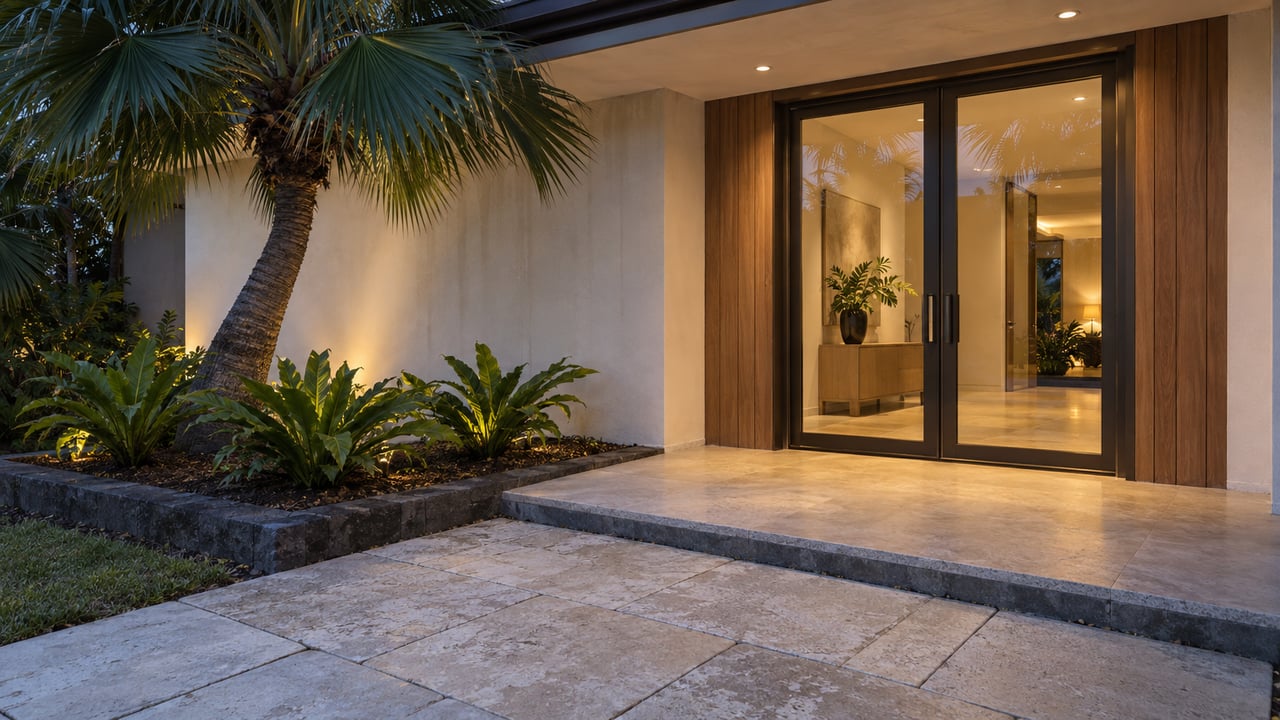
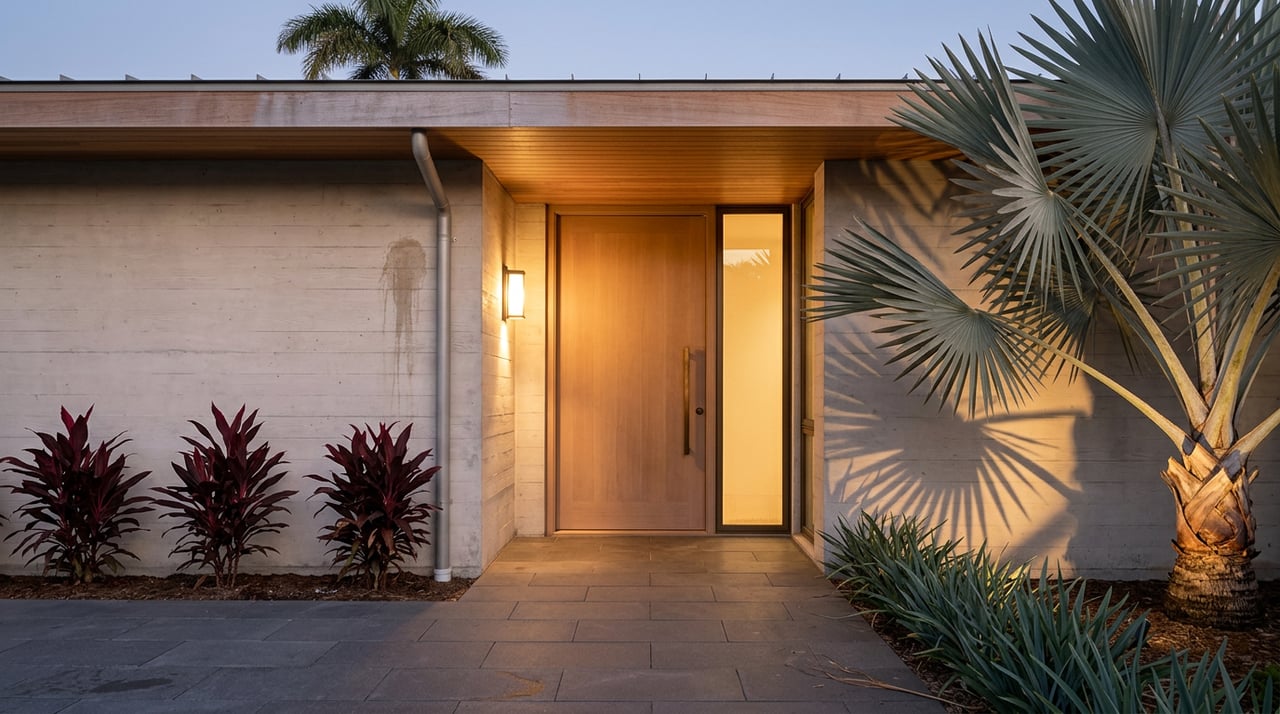
Housing in and around Haleiwa ranges from older plantation-era cottages and mid-century homes to modest coastal houses, small newer infill builds, and higher-end ocean-view or beachfront properties. Many homes sit on established lots with tropical landscaping.
Near the shoreline and town center, you will see a mix of full-time residents and vacation-style “surf shacks.” Street-to-street character can vary, so it is wise to tour at different times of day and in both winter and summer.
Market drivers to know
Demand comes from lifestyle buyers seeking beach and surf access, local families, and investors where rentals are permitted. Supply is constrained by limited developable land and zoning rules, which can keep inventory tight.
Relative to many mainland beach towns, Oʻahu’s coastal property values are high. Exact pricing changes with the market. If you are comparing areas or planning a purchase, review current data and time-on-market trends, then pair that with on-the-ground context before you move forward.
Short-term rental rules
Short-term rentals on Oʻahu are closely regulated. The City and County of Honolulu Department of Planning and Permitting details where transient vacation units are allowed, what permits are required, and how enforcement works. Review the rules and zoning basics directly with the City and County of Honolulu DPP before you buy.
If rentals are part of your plan, verify zoning, required registrations and taxes, and any HOA or subdivision covenants that may further restrict rentals. Rules have tightened in recent years, so do not assume a past use is still allowed.
Commute and transit
Commutes to Honolulu vary widely with time of day and traffic. Typical drive times range from about 40 to 75 minutes, depending on destination and conditions. During busy surf events or weekend afternoons, plan for delays.
Public transit exists but is less frequent than in metropolitan Honolulu. TheBus serves North Shore routes, and schedules are easy to check on the official site for TheBus. Most full-time residents still rely on private vehicles or carpools for work and errands.
Costs, maintenance, insurance
Hawaiʻi’s overall cost of living is among the highest in the country. Groceries, utilities, and everyday goods tend to cost more due to shipping and island logistics. For broader economic context and state-level data, explore reports from Hawaiʻi’s economic agency at DBEDT.
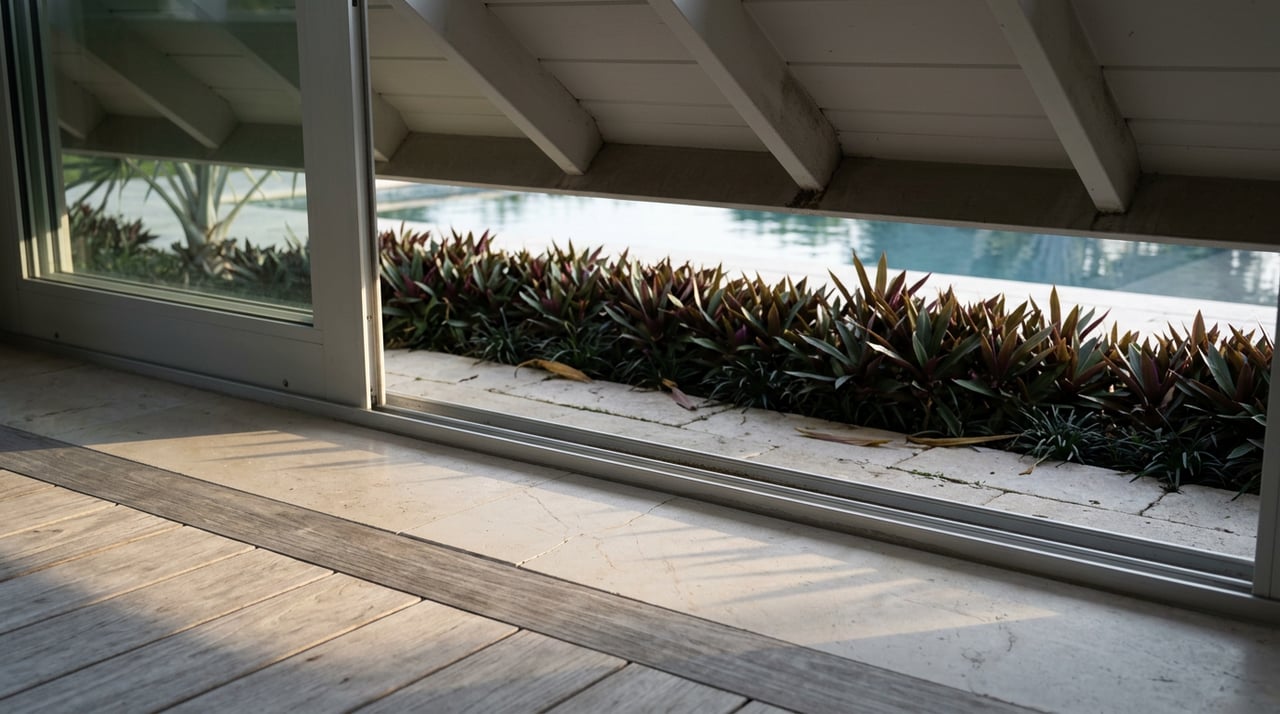
Coastal homes face more wear from salt air and humidity. Budget for exterior maintenance, corrosion control, and mold prevention. Insurance costs and coverage can vary by location, elevation, and construction. Ask for quotes that include homeowner’s, flood, wind, and hurricane coverage, then review coverage limits and exclusions in detail.
Natural hazards and prep
North Shore living comes with ocean and weather awareness. Seasonal high surf can create dangerous currents. Shoreline properties may face coastal erosion over time.
Hawaiʻi also has tsunami evacuation zones and siren systems. Review local evacuation routes and consider how you would move to higher ground or vertically evacuate if advised. FEMA’s interactive map is a useful starting point to review flood zones for any given property on the FEMA Map Service Center. For day-to-day surf and storm updates, consult NOAA’s official channels for alerts and guidance.
Is Haleiwa a fit?
If you love the ocean and do not mind driving for bigger errands or medical services, Haleiwa offers a rewarding, small-town lifestyle. The trade-off is higher costs and more seasonal traffic, especially during big-surf months. Many residents find the pace, community ties, and access to nature well worth it.
Here is a quick buyer checklist to help you pressure test the fit:
- Confirm zoning and any short-term rental rules for the specific address with the City and County of Honolulu DPP.
- Price insurance early. Request homeowner’s, flood, wind, and hurricane quotes and compare coverage limits.
- Check flood zones and coastal exposure. Review the FEMA map, then discuss elevation and mitigation with your inspector.
- Test the commute at your likely travel times, in both winter and summer.
- Verify broadband options and speeds at the exact address. Ask about provider choices and upload speeds if you work from home.
- Budget for island costs. Compare grocery, utility, and maintenance expenses to your current location using state-level data from DBEDT.
- Walk the neighborhood at different times of day and in different seasons to understand traffic, parking, and activity levels.
- Review HOA or subdivision rules for any restrictions on rentals, renovations, fencing, or parking.
Work with a local guide
Buying on the North Shore is as much about understanding seasons, streets, and rules as it is about price. When you are ready to explore homes in and around Haleiwa, partner with a trusted local advisor who lives the rhythm of this coast. If you want a clear plan and concierge-level guidance from search through closing, connect with Tania Mahoni for a thoughtful, results-focused conversation.
FAQs
Is Haleiwa a year-round place to live?
- Yes. It is a year-round residential community with a strong visitor presence. Seasonal surf events influence traffic and business rhythms, but many people live and work here full time.
How reliable is public transit on the North Shore?
- TheBus serves the North Shore, but service is less frequent than in Honolulu. Most residents rely on cars or carpools. Check routes and schedules directly with TheBus.
What internet options support remote work in Haleiwa?
- Many homes support remote work, but provider choices and speeds vary by street. Confirm availability and upload speeds at the exact address before you make an offer.
Are short-term rentals allowed in Haleiwa neighborhoods?
- Short-term rental rules depend on zoning, permits, and local covenants. Always verify current requirements with the City and County of Honolulu DPP before you buy.
What natural hazards should Haleiwa buyers consider?
- Consider high surf, tsunami risk, flooding, and long-term coastal erosion. Review flood zones on the FEMA Map Service Center and follow NOAA alerts for weather and surf.
How far is Haleiwa from Honolulu job centers?
- Drive times usually range from about 40 to 75 minutes depending on destination, time of day, and traffic. Big-surf days and weekend afternoons can add delays.
Where can I find reliable data on Haleiwa and Oʻahu?
- For demographics and community context, use the U.S. Census Bureau. For tourism patterns, see the Hawaiʻi Tourism Authority. For statewide economic reports, visit DBEDT.