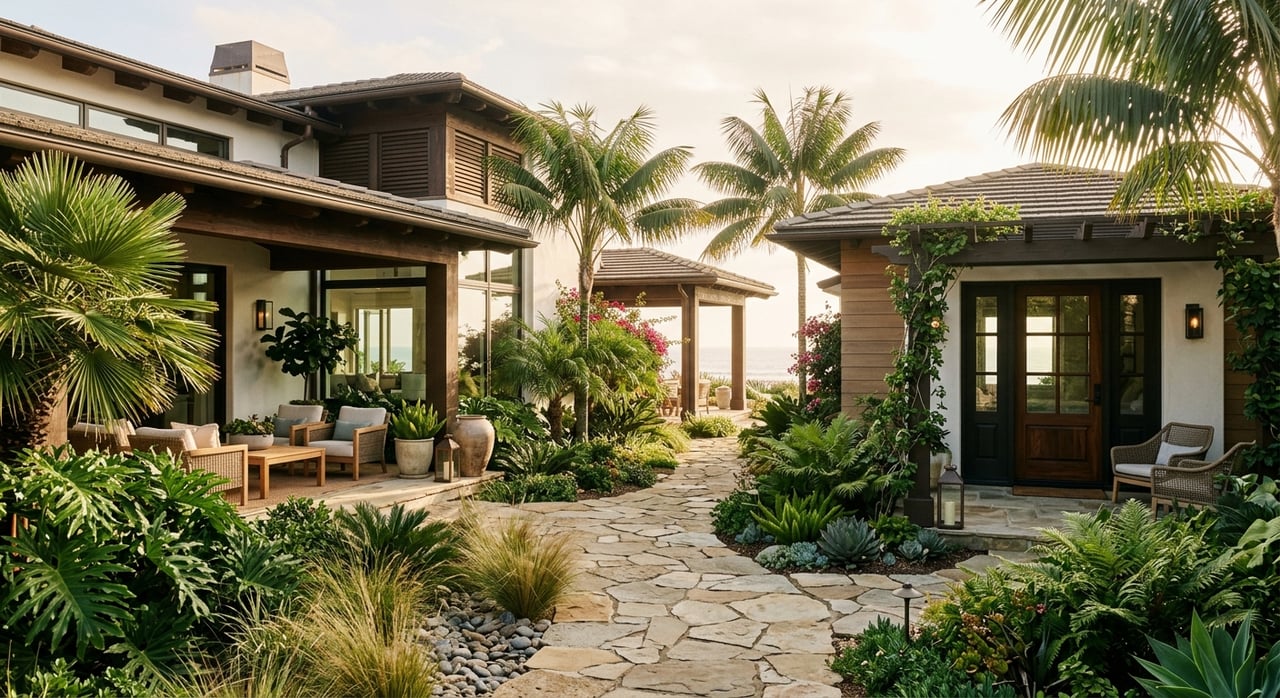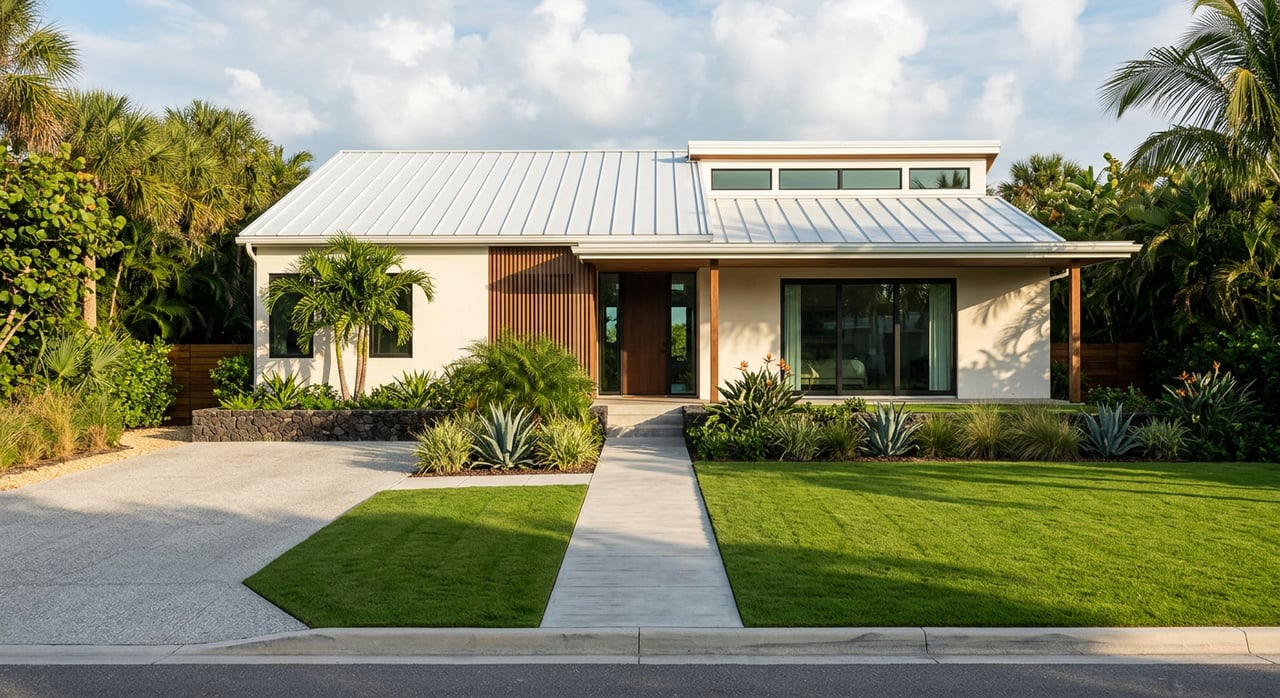
You know you want North Shore life, but which pocket of 96712 will actually fit your rhythm day to day? The answer often comes down to lot size, zoning, and how close you want to be to surf, shops, and the countryside. In this guide, you’ll compare the main neighborhoods inside 96712, see how zoning shapes your options, and get a practical checklist for buying here with confidence. Let’s dive in.
What 96712 covers
ZIP 96712 includes Haleiwa and nearby North Shore pockets often described as Pūpūkea, Sunset Beach, Waialee, Waimea, and Kawailoa. You can think of it as the Haleiwa postal area and the communities that rely on the town for daily needs. For a quick map and overview, see how ZIP 96712 centers on Haleiwa and adjacent communities.
Haleiwa is the North Shore’s primary commercial hub. Most residents in 96712 use the town’s shops and services for errands and dining, which makes the village feel distinct from the quieter coastal and inland stretches. Explore the Haleiwa town shops and dining overview to get a sense of what is within an easy walk or quick drive.
Haleiwa town living
Haleiwa’s in-town blocks feature plantation-era wood buildings, single-story bungalows, modest mid-century homes, and a handful of small multi-unit properties. Many residences have been renovated or expanded over time, yet the core still reads as a historic plantation town in scale and feel.
Lots here trend smaller by North Shore standards. Many parcels fall into Honolulu’s R-5 and R-7.5 zones, where minimum lot sizes are 5,000 and 7,500 square feet. You can confirm the minimums in the county code’s residential district table in the Honolulu Land Use Ordinance.
Daily life in town is about convenience and walkability. You can reach shops, food trucks, and the harbor on foot. Expect more pedestrian activity, narrow streets, and seasonal visitor traffic, especially on weekends and during winter surf season.
Pupukea and Sunset Beach
Along the surf corridor, you will see original surf cottages, modest beach houses, and large contemporary oceanfront estates. Many owners rebuild or expand to maximize ocean views. Inland and uphill, Pupukea and the Sunset-area commonly offer larger parcels, often around one acre or more in established pockets. Oceanfront parcels along the narrow coastal strip can be smaller in area but carry premium market value.
Daily life here centers on immediate beach and surf access. In big winter swells, these beaches and their parking areas draw major crowds and event traffic. If you love watching surf or want to walk to famed breaks, this corridor will be a strong match. If you prefer more privacy, the larger inland lots are appealing.
For a feel of the seasonal calendar, review the North Shore surf competitions and event season.
Inland country pockets
Move inland toward Anahulu and Paalaʻa valleys, the Pupukea Highlands, and Waialua outskirts, and the landscape shifts to a quieter, country feel. Homes range from ranch-style and newer custom builds to country estates and small farm lots, with an emphasis on acreage, privacy, and space for gardens or horses.
Zoning inland often includes AG-1, AG-2, Country District, and larger residential categories. These districts support bigger minimum lots and sometimes agricultural uses, which is why you will see more land and greater privacy away from the coast. For big-picture planning context, the North Shore community plan materials are useful starting points at the North Shore Sustainable Communities Plan site.
Daily life is peaceful and rural. Services are a short drive rather than a walk, and nights tend to be quiet. If you value land and privacy over surf-front energy, start your search here.
Kawailoa and highway corridor
Along Kamehameha Highway you will find a mix. Closer to the highway and small commercial nodes, lots can be denser and older, with some parcels suitable for conventional single-family homes or small multi-unit conversions. Step inland, and zoning often shifts toward Country or Agricultural, where acreage increases.
The result is a wide spectrum in a short distance. Within the same ZIP you might see quarter-acre town lots near services and multi-acre AG parcels a few minutes inland. Your exact parcel’s zoning and minimum lot size will set the frame for what you can build or add.
How zoning shapes options
Honolulu’s Land Use Ordinance outlines residential districts such as R-3.5, R-5, R-7.5, R-10, and R-20, each with a minimum lot area. For example, R-5 requires a minimum of 5,000 square feet and R-10 requires 10,000 square feet. These standards explain why Haleiwa town and the highway corridor often have compact lots, while Pupukea and inland pockets offer bigger parcels. Always verify your parcel’s zoning with the City and County of Honolulu. You can reference the official minimums in the Honolulu Land Use Ordinance.
Daily life and surf season
North Shore winters bring powerful surf and signature events at Pipeline, Sunset, and Waimea. The energy is exciting, but it also increases visitor traffic, fills beach parking, and can affect travel times near the coast. Inland and valley neighborhoods feel the surf season less, aside from busier through-roads on event days. For timing and context, the North Shore surf competitions calendar gives a sense of seasonal patterns.
If you want to watch the action, living near the surf corridor is a plus. If you want low-key weekends, consider Haleiwa’s quieter side streets or the inland country pockets.
Utilities and shoreline checks
Wastewater is a key due diligence item in 96712. Many North Shore properties use septic tanks or older cesspools rather than a public sewer connection. Always confirm whether a parcel has sewer service or on-site wastewater, and understand any requirements for upgrades or conversions. These details typically appear in MLS property fields, and you can request confirmation from the utility.
Coastal parcels bring another layer: shoreline rules. Oceanfront and near-shore lots are subject to shoreline certification and setback requirements. Setbacks have evolved in response to erosion, which can reduce buildable area over time. Before you plan a rebuild or new structure, review shoreline certification and any existing surveys, and confirm current setback calculations with the county. The University of Hawaiʻi Sea Grant outlines how shoreline setback variances work and why they matter in its overview of shoreline setbacks and coastal rules.
Which pocket fits you
- Choose Haleiwa town if walkability and a historic village vibe top your list. You will enjoy easy access to shops and dining, with compact lots and a lively street scene during peak times.
- Choose Pupukea and Sunset Beach if direct beach access and ocean views are priorities. Expect more visitor energy in winter near event beaches, with larger lots available inland and uphill.
- Choose inland valleys and country districts if you want privacy and acreage. Services are a short drive, and the setting favors gardens, horses, and a quieter pace.
Quick buyer checklist
Use this short list to focus your due diligence. Links point to primary references you can share with your agent.
- Confirm zoning and minimum lot size. Check the residential district standards in the Honolulu Land Use Ordinance. Your parcel’s zoning drives build-out potential.
- Verify wastewater. Is the property on sewer, septic, or a legacy cesspool? Confirm through MLS fields and the utility. Ask about any required upgrades.
- Review shoreline status for coastal lots. Request shoreline certification, recent surveys, and setback determinations. Understand how updated erosion data may change setbacks. See the Sea Grant overview of shoreline setbacks and variances.
- Check permits and renovation history. Ask for a permit summary, including any unpermitted work that might affect insurance or resale.
- Note seasonal patterns. For surf corridor homes, review the North Shore event season and plan for parking and access during major swells.
Ready to find your fit
Choosing between Haleiwa’s village, the surf corridor, and the inland country comes down to how you want to live each day and what your parcel can support. When you match lifestyle, lot size, and zoning, you set yourself up for a property that will work for the long term.
If you want a calm, concierge path into 96712, partner with a local advisor who knows these streets, setbacks, and season rhythms. With 37 years on Oʻahu and a boutique, high-touch approach, Tania guides you through due diligence, negotiation, and presentation with confidence. To talk through your goals or get an instant home valuation, connect with Tania Mahoni.
FAQs
What areas are inside ZIP 96712?
- 96712 centers on Haleiwa and nearby North Shore pockets like Pupukea, Sunset Beach, Waialee, Waimea, and Kawailoa, all tied to Haleiwa’s town hub.
How big are lots in Haleiwa town?
- Many in-town parcels fall in residential zones with minimums of 5,000 to 7,500 square feet, which creates a compact, walkable fabric.
How big are lots in Pupukea and Sunset?
- Inland and uphill parcels in these areas often start around one acre or more, while oceanfront lots can be smaller but carry premium values.
How does surf season affect daily life near the coast?
- Winter swells bring major events and visitors, which can add traffic and fill beach parking near Pipeline, Sunset, and Waimea.
What should I know about septic and cesspools in 96712?
- Many North Shore properties rely on on-site systems. Confirm sewer or septic status, ask about any required upgrades, and budget accordingly.
What due diligence is needed for oceanfront parcels?
- Review shoreline certification, recent surveys, and current setback calculations. Erosion and updated rules can change the buildable area over time.