Trying to choose between a single-family home and a townhome in Kāneʻohe? It is a common question, and in this market, the answer can shape your monthly budget, your maintenance routine, and how much flexibility you have day to day. If you are weighing space, upkeep, HOA costs, and long-term fit, this guide will help you compare your options with Kāneʻohe’s housing landscape in mind. Let’s dive in.
Kāneʻohe Housing at a Glance
Kāneʻohe is a largely owner-occupied market, which matters when you are comparing housing types. Recent Census and ACS data show 11,931 housing units, 11,445 occupied units, and 8,618 owner-occupied homes in the area. In the 2020 to 2024 ACS QuickFacts, 76.4% of housing units were owner-occupied.
Costs are also an important part of the picture. The median value of owner-occupied homes was $1,029,700, the median monthly owner cost with a mortgage was $3,398, and the median gross rent was $2,269. In a market like this, the right housing choice is not just about purchase price. It is also about monthly carrying costs, maintenance needs, and how each property type fits your lifestyle.
Kāneʻohe’s climate adds another layer to the decision. NOAA normals for Kaneohe Bay MCAS show 27.82 inches of annual precipitation, with measurable rainfall in every month. That makes roofs, gutters, drainage, exterior paint, lanai condition, and moisture control especially important whether you buy a single-family home, townhome, or condo.
Single-Family Homes in Kāneʻohe
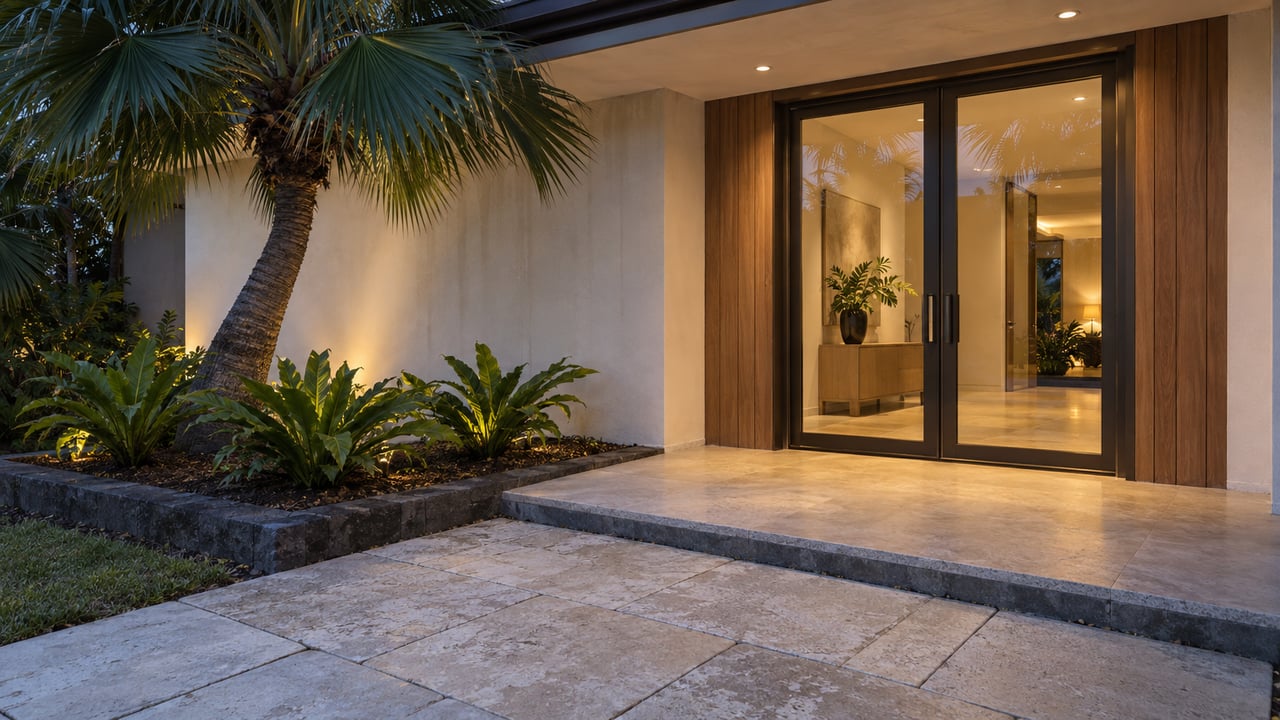
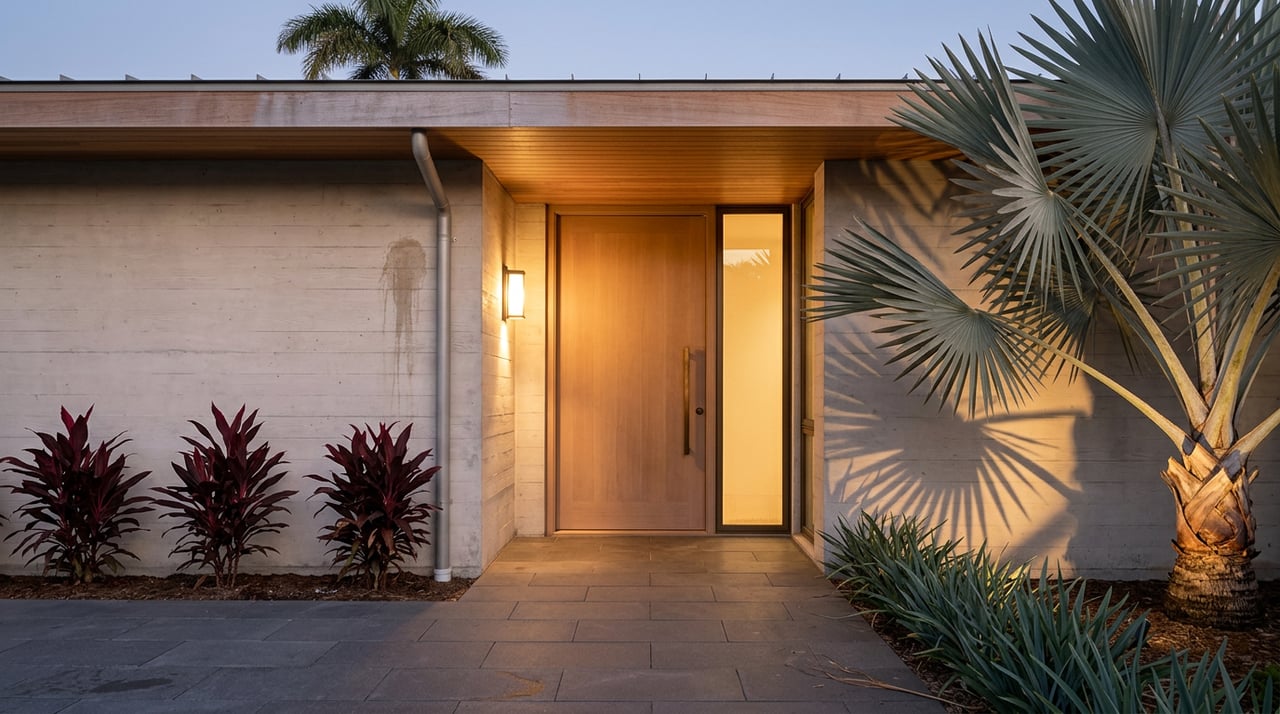
A single-family home usually gives you the most control over the property. You typically have direct responsibility for the home’s exterior, the land, and the major systems that keep the property running. For many buyers, that autonomy is a big advantage.
Single-family ownership also comes with the broadest maintenance load. Fannie Mae notes that regular home maintenance includes the exterior structure, plumbing, electrical systems, heating and cooling, and seasonal upkeep. In Kāneʻohe, that often means paying close attention to moisture-related wear and staying ahead of repairs before they become bigger issues.
For some buyers, that tradeoff is worth it. If you want more privacy, more direct control over improvements, and fewer shared rules, a detached home may feel like the clearest fit. It can be especially appealing if you value having more say over how the property is maintained over time.
Best Fit for Single-Family Living
A single-family home may fit you best if you want:
- More control over the home and land
- Fewer shared walls or common elements
- Flexibility for exterior upkeep and improvements
- A property style that has long been familiar in Kāneʻohe’s housing stock
The main tradeoff is simple: more autonomy usually means more responsibility.
Townhomes in Kāneʻohe
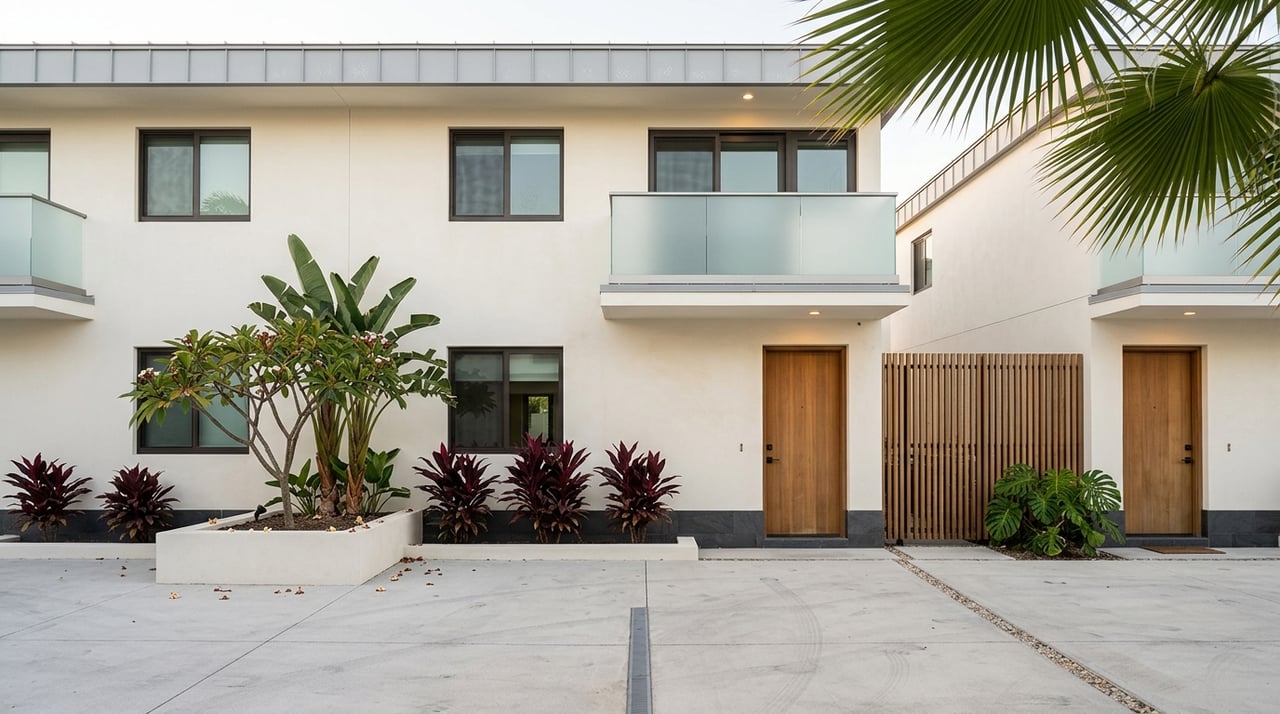
Townhomes often offer a middle ground between a detached home and a condo. Fannie Mae describes townhomes as sometimes multistory units that may share common walls, though some can also be detached depending on the project. That means the experience can vary a lot from one community to another.
For many buyers, the appeal is balance. You may get more space than a condo while taking on less exterior responsibility than a detached house. That can be a strong option if you want room to spread out but do not want every maintenance task to fall directly on you.
The tradeoff is that townhomes often come with HOA rules, monthly fees, and shared-area obligations. In Hawaiʻi, the label alone does not tell you enough. What matters most is what the association maintains, how well it is funded, and what your monthly assessment actually covers.
Why Townhomes Appeal to Many Buyers
Townhomes can make sense if you are looking for:
- More space than a typical condo
- A lower-maintenance option than a detached home
- A property that may blend private living space with shared upkeep
- A middle path between autonomy and convenience
If you are comparing townhomes in Kāneʻohe, the documents matter as much as the floor plan.
Condos and Townhomes: Know the Difference
Some buyers compare only single-family homes and townhomes, but condos often enter the conversation too. In practice, certain townhome-style properties may be part of a condominium regime, while others may fall under a planned community structure. That distinction affects how the association operates and what records you should review.
Condominium associations in Hawaiʻi are governed by Chapter 514B. That law gives associations the power to adopt rules, budgets, and assessments and to regulate the use, maintenance, repair, replacement, and modification of common elements. The Department of Commerce and Consumer Affairs also describes condo law as based on self-governance and owner-enforcement.
Planned community associations are governed separately under Chapter 421J. That law defines assessments as funds collected to operate and manage the association, maintain common-use property, and fund reserves. For you as a buyer, the practical takeaway is that two homes with a similar look can come with very different obligations.
What to Review Before You Buy
If you are buying a townhome or condo-style property in Kāneʻohe, review the association documents carefully before you finalize your offer. Hawaiʻi law allows owners to request association records in writing, and the association generally has 30 days to respond. These records can tell you a lot about the health of the community and the real cost of ownership.
Fannie Mae recommends asking about special assessments, allowed modifications, reserve funds, insurance coverage, pending lawsuits, and the remaining useful life of major components. DCCA guidance also points buyers and owners to key records such as the declaration, bylaws, house rules, public reports, managing agreement, member lists, and records of receipts, expenditures, and delinquent assessments.
Important Questions to Ask
Before you move forward, make sure you understand:
- What the monthly fee covers
- Whether reserves appear adequate
- Whether special assessments are pending or likely
- Which repairs are your responsibility versus the association’s
- What rules apply to modifications or exterior changes
- How major common elements are maintained
This step is especially important in a place like Kāneʻohe, where moisture management and exterior upkeep can have a direct impact on future costs.
Monthly Costs Matter in Kāneʻohe
In Kāneʻohe, comparing homes by list price alone can be misleading. With a median monthly owner cost with a mortgage of $3,398, plus the possibility of HOA dues, insurance, and maintenance, your actual monthly picture deserves close attention. A less expensive home with high fees or deferred maintenance may not feel more affordable over time.
This is where the single-family versus townhome choice becomes very real. A detached home may come without monthly association dues, but you may carry more direct repair costs yourself. A townhome may reduce some exterior maintenance burdens, but that convenience often comes with recurring fees and shared financial decisions.
The right answer depends on how you want to allocate your time, money, and responsibility. Some buyers prefer fewer shared obligations, while others would rather trade some control for a more streamlined maintenance experience.
How Kāneʻohe Climate Shapes Your Choice
Kāneʻohe’s year-round rainfall should be part of your decision from the start. With measurable rain in every month and wetter winter periods, homes here benefit from consistent attention to drainage, roofing, paint, and moisture control. That applies whether you own a detached home or share responsibility through an association.
For a single-family buyer, that means inspecting the property’s condition with a careful eye toward exterior systems. For a townhome or condo buyer, it means reviewing not only the unit but also how the association handles roofs, common drainage, exterior surfaces, and long-term reserves. In this environment, deferred maintenance can become expensive.
Which Housing Type Fits You Best?
If you want the most autonomy and are comfortable taking on broader maintenance, a single-family home may be the better fit. It gives you more direct control, but it also asks more of you in upkeep, planning, and budgeting.
If you want a middle ground, a townhome may offer the balance you are looking for. You may get more space than a condo and less exterior responsibility than a detached home, but you will want to look closely at the association’s finances, rules, and maintenance scope.
If convenience is your top priority, a low-rise condo may also be worth considering. Condo fees often cover general repairs and maintenance to exteriors and common areas, and may include water, sewer, trash services, recreational amenities, insurance, or reserves. The tradeoff is greater reliance on the association’s budget and decision-making.
In Kāneʻohe, the best choice is rarely just about square footage. It is about how you want to live, what level of maintenance you are ready for, and how the numbers work for your long-term plans.
If you are weighing housing choices in Kāneʻohe and want clear guidance tailored to your goals, Tania Mahoni offers the kind of high-touch local insight that can help you compare options with confidence.
FAQs
What is the main difference between a single-family home and a townhome in Kāneʻohe?
- A single-family home usually gives you more direct control over the property and more maintenance responsibility, while a townhome often offers shared upkeep through an association along with monthly fees and rules.
Are townhomes in Kāneʻohe always part of an HOA?
- Many townhomes have an association, but the key issue is what the association maintains, how it is funded, and whether the property is governed under Hawaiʻi condo law or planned community law.
Why do association documents matter when buying a townhome in Kāneʻohe?
- Association documents can show what your fees cover, how reserves are funded, what rules apply, and whether there are concerns such as special assessments, delinquent accounts, or pending issues.
How does Kāneʻohe weather affect housing choices?
- Because Kāneʻohe has measurable rainfall year-round, buyers should pay close attention to roofs, gutters, drainage, exterior paint, lanai condition, and moisture control for any property type.
Are condos worth considering when comparing homes in Kāneʻohe?
- Yes. Low-rise condos can be a good fit if you want lower day-to-day upkeep, but you should carefully review the association’s budget, reserves, rules, and maintenance responsibilities before buying.