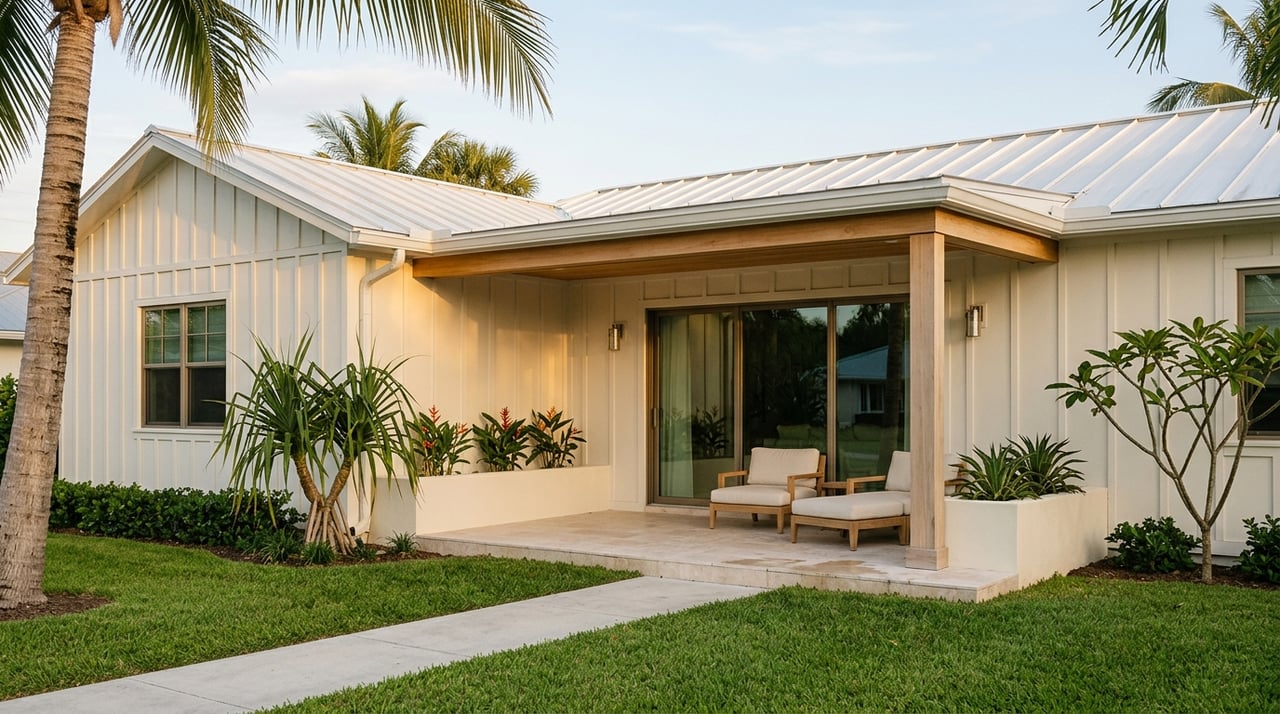
Dreaming about a beach cottage in Haleʻiwa? The view may be easy to fall in love with, but buying near the shoreline takes more than a quick tour and a strong offer. If you want a home that fits your lifestyle and your budget over time, it helps to understand the local coastal rules, flood exposure, and ownership costs before you commit. Let’s dive in.
Why Haleʻiwa Feels Different
Haleʻiwa is not just another residential market on Oʻahu. According to the state’s 2024 North Shore profile, this area has a strong seasonal and visitor-driven housing pattern, with an estimated daytime population of 35,809 in 2023, including 12,088 visitors on a typical day.
That matters when you are shopping for a beach cottage. Traffic, privacy, parking, and the overall feel of the area can shift depending on the season, the surf, and visitor activity. A home that feels peaceful on one day may feel very different on a busy weekend.
The same report also found that 20.4% of housing units were vacant, a category that includes second homes, vacation homes, and some short-term rentals. It also reported a median home value of $936,900, with 42.8% of homes valued above $1 million.
In other words, Haleʻiwa often behaves like a lifestyle-driven coastal market. When you buy here, you are not just comparing square footage and finishes. You are also weighing location, shoreline conditions, and long-term use.
Start With Coastal Risk
A beach cottage can offer incredible access to the shoreline, but that location comes with real exposure. Hawaiʻi’s coastal policy treats beaches and dunes as natural buffers, and the state reports that 70% of Hawaiʻi beaches are experiencing erosion.
State climate guidance also notes that sea level in Hawaiʻi has already risen 5 inches since 1970 and is projected to rise another 8 inches over the next 30 years. For you as a buyer, that means the issue is not only storm-day flooding. It can also affect shoreline movement, beach width, drainage, and access over time.
This is why a beautiful lot near the water deserves a closer look. The right due diligence can help you understand whether you are buying a charming coastal home, a major future project, or both.
Check Flood Maps Early
One of the smartest first steps is to confirm the property’s flood zone before you get too far into the process. FEMA identifies Special Flood Hazard Areas as zones such as A, AO, AE, and VE, and those designations can affect insurance requirements.
If the home is in a Special Flood Hazard Area and your loan is federally backed, flood insurance may be required. FEMA also states that flood insurance is separate from standard homeowners insurance, and there is typically a 30-day waiting period before an NFIP policy takes effect.
For Haleʻiwa buyers, it is wise to review both FEMA flood maps and the State of Hawaiʻi flood-hazard tools. The Hawaiʻi Flood Hazard Assessment Tool lets you search by address or TMK and review FEMA GIS flood map information in one place.
Look Beyond Flooding Alone
Flood zones matter, but they are only part of the picture. Older coastal guidance for Hawaiʻi notes that flood insurance helps with flood losses, but chronic erosion is a separate issue.
That distinction is important. Two homes with similar asking prices can have very different long-term ownership costs if one faces more shoreline change, drainage problems, or exposure to erosion.
Understand Shoreline Setbacks
If you are buying near the ocean, shoreline setbacks should be high on your checklist. Hawaiʻi law sets shoreline setbacks at not less than 40 feet inland from the shoreline, and counties can require greater setbacks or expand the shoreline area.
In Honolulu, the shoreline setback rules apply within the city’s shoreline setback area. The code requires the shoreline and setback line to be marked on the ground before grubbing, grading, or construction, and only limited exceptions or variances may apply.
For you, this affects more than a future addition. It can shape what can be repaired, expanded, rebuilt, or added later.
Why Shoreline Certification Matters
A recent certified shoreline survey is one of the most important documents to review when buying a beach cottage. Under Hawaiʻi law, the shoreline certification process is time-sensitive and is valid for no more than 12 months unless an exception applies.
That means an older shoreline document may not tell you enough about current conditions. If you are serious about a property, ask for the latest certified shoreline survey and confirm whether the shoreline determination is still current.
This is not just a technical detail. It is a key part of understanding the parcel you may own.
Review Permits Before You Plan Improvements
Many buyers picture a few upgrades after closing. Maybe you want to add a lanai, refresh the outdoor area, install an outdoor shower, or make other changes to fit your lifestyle.
In coastal Haleʻiwa, those plans should start with permit research. Honolulu states that no development may occur within the Special Management Area without SMA permit approval, and a major permit is required for projects over $500,000 or for projects with significant adverse environmental effects.
If the property is in the shoreline setback area or the Special Management Area, even modest changes may need closer review. Before you make an offer, it helps to verify the parcel’s SMA status, permit history, and any existing nonconforming shoreline improvements.
Be Careful With Existing Seawalls
If a cottage already has a seawall, revetment, or another shoreline structure, do not assume it can simply stay, be repaired, or be replaced without issue. Honolulu’s rules treat shoreline setback variances cautiously, and DLNR warns that new owners inherit responsibility for existing shoreline structures, whether those structures were legal or not.
This is especially important in older Haleʻiwa housing inventory. Permit records, as-built documents, and prior shoreline determinations can tell you much more than a listing photo ever will.
Budget for the Real Cost of Ownership
A beach cottage budget should go beyond your mortgage payment. In Haleʻiwa, ownership costs can also include flood insurance, ongoing exterior maintenance, drainage concerns, and possible future mitigation work.
DLNR notes that most shoreline structures are privately owned and their maintenance is the responsibility of the property owner, not the state or county. If a property includes shoreline-related improvements, that responsibility may become part of your long-term budget.
This is one reason the lowest-priced cottage is not always the least expensive home to own. A careful review of risk and maintenance can help you avoid surprises later.
Ask About Wastewater Systems
Another practical item to check is the wastewater setup. For older cottages, confirm whether the home is connected to sewer or uses a cesspool.
The State of Hawaiʻi reports that there are more than 11,000 cesspools on Oʻahu and says all cesspools must be replaced by 2050. If a property still has one, a future conversion could become part of your ownership costs.
Questions to Ask Before Touring
Before you fall in love with the setting, make sure you are asking the right questions. A strong touring checklist can save time and help you compare homes more clearly.
Here are smart questions to bring with you:
- Is there a current certified shoreline survey, and when was it completed?
- What FEMA flood zone is the property in?
- Has the seller obtained a flood-insurance quote?
- Is the parcel inside Honolulu’s Special Management Area or shoreline setback area?
- Are there prior permits, variances, or approvals for shoreline improvements?
- Does the seller disclosure mention sea-level-rise risk?
- Is the home on sewer, or does it use a cesspool?
- How does the property handle beach access, vegetation, gates, and any public-use corridor next to the lot?
Why Local Guidance Matters in Haleʻiwa
Buying a beach cottage in Haleʻiwa is part real estate decision and part coastal stewardship decision. You are evaluating not just the home itself, but also the land, shoreline conditions, access, and the local rules that shape what ownership looks like over time.
That is where local market knowledge becomes valuable. When you work with someone who understands North Shore inventory, coastal permitting concerns, and the practical differences between one shoreline parcel and another, you can move forward with more clarity and confidence.
If you are considering a beach cottage in Haleʻiwa and want thoughtful guidance through the details, connect with Tania Mahoni for a concierge-level approach grounded in local North Shore expertise.
FAQs
What should you check before buying a beach cottage in Haleʻiwa?
- Review the certified shoreline survey, flood zone, flood-insurance needs, SMA or shoreline setback status, permit history, wastewater system, and any disclosures related to sea-level-rise risk.
Does a Haleʻiwa beach cottage need flood insurance?
- It may. If the property is in a FEMA Special Flood Hazard Area and the loan is federally backed, flood insurance requirements can apply.
Why is a certified shoreline survey important for a Haleʻiwa property?
- It helps confirm the current shoreline determination and setback conditions, which can affect future repairs, additions, and other improvements.
Can you add onto a beach cottage in Haleʻiwa later?
- Possibly, but coastal parcels may be subject to shoreline setback rules, Special Management Area requirements, and additional permit review depending on the location and scope of work.
Should you worry about a seawall at a Haleʻiwa cottage?
- You should review it carefully. Existing shoreline structures can create ongoing owner responsibility, and you should not assume they are automatically legal, repairable, or replaceable.
How can a cesspool affect a Haleʻiwa beach cottage purchase?
- If the home uses a cesspool, you may face a future replacement cost because the State of Hawaiʻi says all cesspools must be replaced by 2050.